Spinal Stenosis Treatment in Vancouver
Conservative Care for Spinal Stenosis, Leg Symptoms & Reduced Walking Tolerance

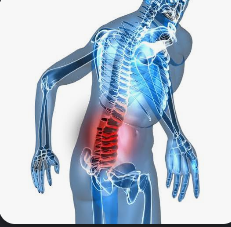
Spinal stenosis is a narrowing of the spaces within the spine that may place pressure on the spinal cord or nerve roots.
It most commonly affects the lower back or neck and may cause pain, numbness, tingling, weakness, or difficulty standing and walking for longer periods.
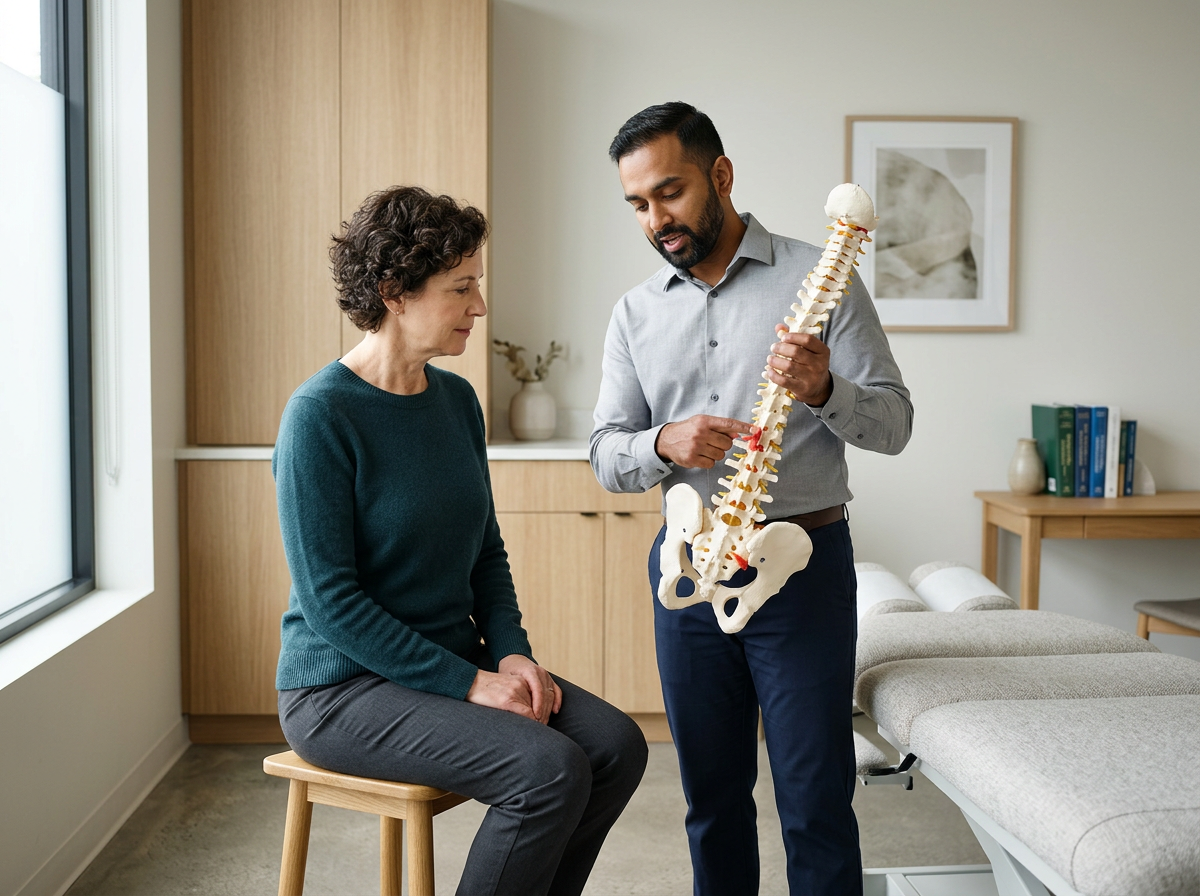
At ProSpine Rehab & Wellness in Vancouver, we assess your symptoms, neurological function, mobility, and activity limitations to determine whether conservative care may be appropriate.
Depending on your condition, care may include chiropractic treatment, gentle mobilization, mobility work, spinal decompression in selected cases, and active rehabilitation with our on-site kinesiologist.
BOOK A SPINAL STENOSIS ASSESSMENT
What Is Spinal Stenosis?
Spinal stenosis means there is reduced space around the spinal cord or spinal nerve roots.
This narrowing may occur in different parts of the spine.
Lumbar Spinal Stenosis
Lumbar stenosis affects the lower back and may cause symptoms into the buttocks or legs.
Cervical Spinal Stenosis
Cervical stenosis affects the neck and, in more significant cases, may affect the spinal cord as well as the nerves travelling into the arms.
The severity of stenosis seen on imaging does not always match how much pain or limitation a person experiences, so both the physical examination and symptoms are important.
What Causes Spinal Stenosis?
Spinal stenosis most commonly develops gradually.
Possible contributors include:
Degenerative disc changes
Facet joint arthritis
Thickening of spinal ligaments
Reduced disc height
Bone spur formation
Previous spinal injuries
Spondylolisthesis
Other age-related structural changes
Some people have naturally narrower spinal canals and may become symptomatic earlier in life.
Symptoms of Lumbar Spinal Stenosis
Lumbar spinal stenosis may cause:
Low-back pain
Buttock pain
Leg pain
Tingling or numbness
Leg heaviness
Weakness
Reduced walking tolerance
Symptoms when standing for longer periods
Relief when sitting or bending forward
A common pattern is called neurogenic claudication.
What Is Neurogenic Claudication?
Neurogenic claudication describes leg symptoms that often appear during standing or walking because of irritation or compression of nerves in the lower spine.
Patients may describe:
Aching • Heaviness • Tingling • Numbness • Weakness • Burning
Symptoms may improve when sitting, resting, or leaning forward.
Some people notice that they can walk farther while leaning over a shopping cart or riding a bicycle than they can while walking upright.
This symptom pattern can help distinguish spinal stenosis from some other causes of leg pain.
Symptoms of Cervical Spinal Stenosis
Cervical spinal stenosis may cause:
Neck pain or stiffness
Shoulder or arm discomfort
Tingling or numbness in the hands
Arm weakness
Reduced hand coordination
Difficulty with fine motor tasks
Balance problems in more significant cases
If the spinal cord is compressed, this may result in cervical myelopathy, which requires appropriate medical evaluation.
Spinal Stenosis vs. Sciatica
Both conditions may cause leg symptoms, but they are not identical.
Sciatica
Often relates to irritation of one or more lumbar nerve roots and may cause sharp, burning, or electric pain travelling down one leg.
Lumbar Spinal Stenosis
More commonly causes leg symptoms during prolonged standing or walking and may affect one or both legs.
Some patients may have both stenosis and lumbar radiculopathy.
[LEARN MORE ABOUT SCIATICA]
How We Assess Spinal Stenosis
Your first appointment begins with a detailed history.
We may ask:
How far can you walk before symptoms begin?
Do symptoms improve when you sit?
Does bending forward reduce symptoms?
Do you have numbness or tingling?
Have you noticed weakness?
Are symptoms present in one leg or both?
Do you have balance problems?
Have you previously had an MRI or X-ray?
Your examination may include:
Spinal range of motion • Strength • Reflexes • Sensation • Nerve tension testing • Balance • Walking tolerance • Hip mobility • Functional movement
Do I Need Imaging?
Imaging can be useful when spinal stenosis is suspected.
At ProSpine Rehab & Wellness, we have access to in-house digital X-ray imaging when clinically indicated.
X-rays can show certain degenerative or structural changes, but they cannot directly show the spinal cord or nerve roots.
An MRI is often more useful when detailed information about the spinal canal, discs, and nerves is required.
If further imaging is appropriate, we can discuss the next steps.
Conservative Care for Lumbar Spinal Stenosis
For selected patients, conservative care may help improve function and manage symptoms.
Treatment may include:
Gentle Chiropractic Care
Depending on your condition, joint mobilization or carefully selected chiropractic techniques may be used to improve comfortable movement.
Mobility Work
Certain exercises may help maintain or improve hip and spinal mobility.
Soft-Tissue Techniques
Muscles around the lower back and hips may become tight or fatigued.
Activity Modification
We may discuss strategies to make walking, standing, work, or exercise more manageable.
Active Rehabilitation
Strength and conditioning are often important for maintaining independence and activity.
Active Rehabilitation With Our Kinesiologist
Our on-site kinesiologist can help create an individualized rehabilitation program.
Exercises may focus on:
Core strength
Hip and glute strength
Balance
Walking tolerance
Lower-body endurance
Flexibility
Functional movement
Gradual conditioning
The goal is to help you stay active and improve your ability to tolerate everyday activities.
For some patients, rehabilitation may include gradually increasing walking time or using positions that allow exercise with fewer symptoms.
Can Spinal Decompression Help Spinal Stenosis?
Mechanical traction or spinal decompression may be considered in selected patients, but it is not appropriate for every case of spinal stenosis.
At ProSpine, we use the Chattanooga Triton DTS® system for cervical and lumbar traction.
Whether traction is appropriate depends on factors such as:
Symptoms • Neurological findings • Imaging • Severity • Position tolerance • Overall health
We do not claim that spinal decompression can permanently “open” or reverse spinal stenosis.
If traction is considered, it is used as one component of a broader conservative treatment plan.
[LEARN MORE ABOUT SPINAL DECOMPRESSION]
Staying Active With Spinal Stenosis
Many people with lumbar stenosis reduce activity because walking or standing becomes uncomfortable.
However, prolonged inactivity can lead to:
Reduced strength • Lower endurance • Loss of balance • Deconditioning
The goal is usually to find forms of movement you can tolerate.
Examples may include:
Shorter walking intervals
Stationary cycling
Pool exercise
Strength training
Mobility exercises
Frequent rest breaks
Your program should be adapted to your symptoms and abilities.
Spinal Stenosis in Older Adults
Spinal stenosis is more common as people age.
Older adults may also have other factors affecting mobility, such as:
Hip arthritis • Balance changes • Muscle weakness • Peripheral neuropathy • Cardiovascular limitations
Because several conditions can cause similar walking symptoms, a thorough assessment is important.
Our goal is not simply to treat an X-ray finding, but to help improve mobility, confidence, and everyday function.
When Spinal Stenosis Needs Medical Attention
Some symptoms require prompt medical evaluation.
Seek urgent medical care if you experience:
New loss of bowel or bladder control
Numbness around the groin or saddle region
Rapidly worsening leg weakness
Severe difficulty walking
New significant balance problems
Loss of hand coordination
Progressive arm or leg weakness
Significant trauma
Severe unexplained symptoms
These symptoms may indicate significant nerve or spinal cord involvement.
If we identify concerning neurological findings during your assessment, we will recommend appropriate medical follow-up.
When Is Surgery Considered?
Many people with spinal stenosis are initially managed conservatively.
Surgical evaluation may be appropriate when there is:
Significant or progressive neurological weakness
Spinal cord compression
Severe walking limitation
Persistent disabling symptoms
Failure to improve with appropriate conservative care
Surgery is not necessary for every patient with spinal stenosis.
Treatment decisions should consider your symptoms, neurological findings, imaging, goals, and overall health.
What to Expect at ProSpine
1. Consultation
We discuss your symptoms, walking tolerance, health history, imaging, and activity goals.
2. Neurological & Musculoskeletal Assessment
We evaluate strength, reflexes, sensation, spinal movement, balance, and functional mobility.
3. Explanation of Findings
We explain what may be contributing to your symptoms and whether additional medical investigation is appropriate.
4. Individualized Treatment
Your care may include gentle chiropractic treatment, mobilization, mobility work, or other conservative approaches.
5. Active Rehabilitation
Our kinesiologist can help improve strength, endurance, balance, and functional capacity.
6. Reassessment
Your progress is monitored and your plan is adjusted accordingly.
Improve Your Mobility & Stay Active
If spinal stenosis is making it difficult to stand, walk, exercise, or participate in everyday activities, an assessment can help determine what treatment options may be appropriate.
At ProSpine Rehab & Wellness, we provide conservative chiropractic and rehabilitation care focused on helping patients maintain movement, strength, and function.
ProSpine Rehab & Wellness
Vancouver, BC
778-805-8188
info@prospinevan.ca
BOOK A SPINAL STENOSIS ASSESSMENT