Facet Joint Pain Treatment in Vancouver
Relief for Localized Back or Neck Pain, Stiffness & Pain With Movement

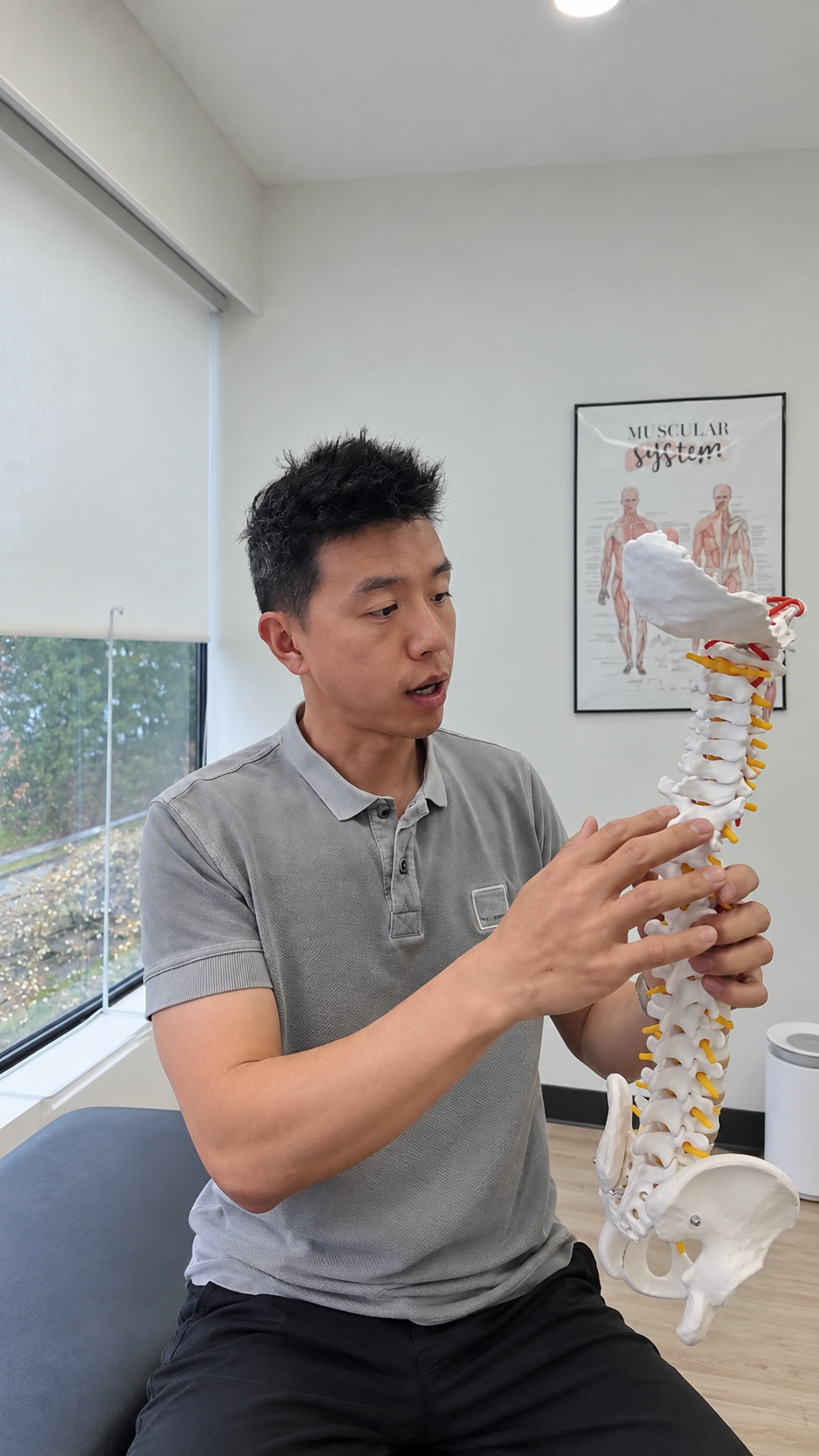
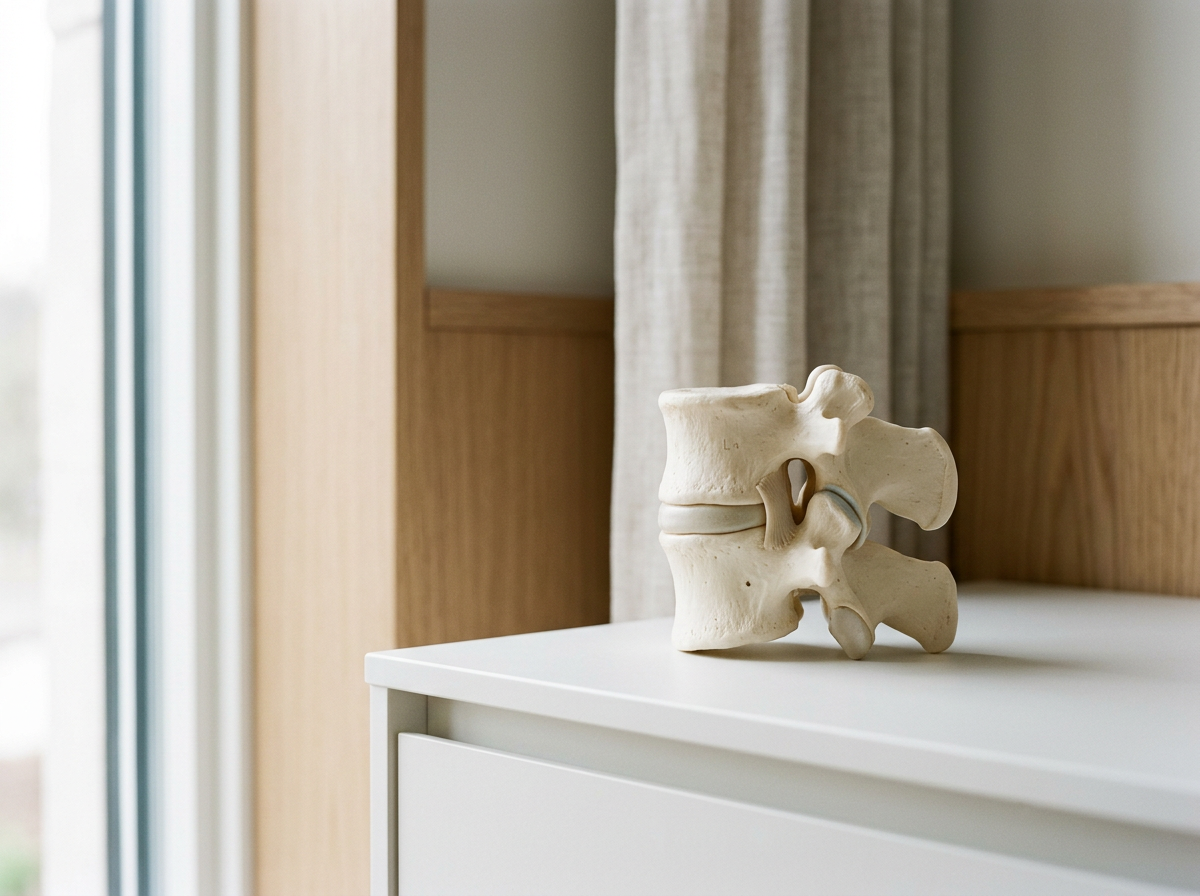
Facet joints are small joints located at the back of the spine. They help guide movement and provide stability as you bend, twist, and extend.
When a facet joint becomes irritated, stiff, or overloaded, it may cause localized pain in the neck, mid-back, or lower back.
At ProSpine Rehab & Wellness in Vancouver, we assess your spinal movement, joint function, posture, activity level, and symptoms to determine whether facet joint irritation may be contributing to your pain.
When appropriate, treatment may include chiropractic care, joint mobilization, soft-tissue techniques, mobility exercises, and active rehabilitation with our on-site kinesiologist.
What Are Facet Joints?
Facet joints are small paired joints located between the vertebrae of the spine.
They help:
Guide spinal movement
Control rotation and extension
Provide stability
Share load with the spinal discs
Facet joints are found throughout the cervical, thoracic, and lumbar spine.
Like other joints in the body, they can become irritated, inflamed, stiff, or affected by age-related changes.
What Does Facet Joint Pain Feel Like?
Facet-related pain often feels different from nerve pain.
Common symptoms may include:
Localized neck or back pain
Pain on one side of the spine
Stiffness
Pain when leaning backward
Pain with twisting
Discomfort after prolonged standing
Pain when getting up after sitting
Reduced spinal mobility
Muscle tightness around the painful area
In the lower back, facet pain may sometimes refer into the buttock or upper thigh.
In the neck, symptoms may extend toward the shoulder or upper back.
Facet joint pain typically does not cause the same pattern of numbness, tingling, or weakness that is seen with nerve-root irritation.
What Causes Facet Joint Pain?
Facet joint irritation can develop for several reasons.
Repetitive Extension or Rotation
Activities involving repeated bending backward or twisting may place increased stress on the facet joints.
Examples may include:
Golf • Gymnastics • Weight training • Racquet sports • Martial arts
Age-Related Changes
Over time, facet joints can develop degenerative or arthritic changes.
These findings are common and do not always cause pain, but they may contribute to stiffness or discomfort in some people.
Prolonged Posture
Long periods in one position may contribute to stiffness or irritation, especially when movement is limited.
Injury
Motor vehicle accidents, falls, sports injuries, or sudden twisting movements may irritate facet joints.
Reduced Mobility Elsewhere
Restrictions in the hips, thoracic spine, or surrounding joints may sometimes change how load is distributed through the spine.
Lumbar Facet Joint Pain
Facet irritation in the lower back may cause:
Localized low-back pain • One-sided pain • Buttock discomfort • Pain with standing • Pain when extending backward
Some patients notice more discomfort:
First thing in the morning
After prolonged standing
When twisting
When moving from sitting to standing
During certain exercises
Lumbar facet pain can sometimes feel similar to other causes of low-back pain, so assessment is important.
Cervical Facet Joint Pain
Facet joints in the neck may contribute to:
Neck stiffness
One-sided neck pain
Pain with turning the head
Pain when looking upward
Shoulder or upper-back discomfort
Headaches associated with neck dysfunction
These symptoms may overlap with muscle tension, disc-related pain, or other cervical conditions.
A proper examination helps identify which structures may be contributing.
Facet Joint Pain vs. Disc Pain
Facet joint pain and disc-related pain can sometimes feel similar.
Facet Joint Pain
Often feels more localized and may be aggravated by:
Extension • Rotation • Prolonged standing
Disc-Related Pain
May be aggravated by:
Sitting • Bending • Lifting
Disc conditions are also more likely to cause nerve-related symptoms when a nerve root is irritated.
However, symptoms can overlap, and one person may have more than one contributing factor.
Facet Joint Pain vs. Sciatica
Facet joint pain may sometimes refer into the buttock or thigh, but it usually does not follow a clear nerve pathway.
Sciatica more commonly involves:
Leg pain • Tingling • Numbness • Burning • Weakness
If you have neurological symptoms, we may perform a more detailed nerve assessment.
[LEARN MORE ABOUT SCIATICA]
How We Assess Facet Joint Pain
There is no single test that identifies every case of facet joint pain.
Your chiropractor may assess:
Spinal range of motion • Joint mobility • Pain with extension or rotation • Muscle function • Neurological findings • Hip movement • Functional movement
We may also ask:
What movements aggravate the pain?
Is the pain localized or travelling?
Does sitting or standing make it worse?
Is there numbness or tingling?
Have you had a previous injury?
What activities are you trying to return to?
Your symptoms and examination findings are considered together.
How Chiropractic Care May Help
For selected patients with mechanical facet joint pain, chiropractic care may be part of a conservative treatment plan.
Care may include:
Chiropractic Adjustments
Controlled adjustments may be used to improve joint movement when clinically appropriate.
Joint Mobilization
Gentler mobilization techniques may be used to improve comfortable movement.
Soft-Tissue Treatment
Muscles surrounding an irritated joint may become tight or guarded.
Mobility Exercises
Exercises may focus on restoring movement through the spine and nearby regions.
Movement Education
We may help identify movements or activities that are repeatedly aggravating the area.
Treatment is modified according to your comfort and response.
Active Rehabilitation With Our Kinesiologist
Improving joint movement is only one part of recovery.
Our on-site kinesiologist may help you build:
Core strength
Hip strength
Spinal control
Balance
Mobility
Postural endurance
Lifting tolerance
Sport-specific capacity
This can be especially useful when facet pain repeatedly returns during work, exercise, or sport.
Our goal is to progress from:
Reducing irritation → restoring movement → improving control → returning to activity
Facet Joint Pain in Athletes
Facet joints can be stressed during sports that involve repeated spinal rotation or extension.
Examples include:
Golf • Tennis • Figure skating • Martial arts • Weightlifting • Gymnastics
For athletes, we may look beyond the painful joint and assess:
Hip mobility • Thoracic rotation • Core control • Training load • Technique-related movement demands
The goal is not simply to stop activity, but to help you return gradually and confidently when appropriate.
Do I Need an X-Ray?
Not every case of suspected facet joint pain requires imaging.
At ProSpine Rehab & Wellness, we have access to in-house digital X-ray imaging when clinically indicated.
X-rays can help assess certain structural or degenerative changes, but imaging findings do not always explain pain on their own.
Your history and physical examination remain important in deciding whether imaging is necessary.
What About Spinal Decompression?
Spinal decompression is generally more commonly considered for selected disc-related or nerve-related conditions than for isolated facet joint pain.
If your symptoms suggest a combination of disc, nerve, and joint involvement, we may discuss whether decompression could be appropriate.
It is not automatically recommended simply because you have back or neck pain.
[LEARN MORE ABOUT SPINAL DECOMPRESSION]
When Facet Joint Pain Needs Medical Attention
Most facet-related pain is musculoskeletal, but certain symptoms require medical assessment.
Seek prompt medical care if pain is accompanied by:
Significant trauma
Progressive weakness
Numbness around the groin or saddle area
Loss of bowel or bladder control
Fever
Unexplained weight loss
Severe night pain
New neurological symptoms
If your presentation suggests something outside the scope of conservative chiropractic care, we will recommend appropriate follow-up.
What to Expect at ProSpine
1. Consultation
We discuss your symptoms, health history, work, exercise, and goals.
2. Physical Assessment
We assess spinal movement, joint mobility, muscle function, and relevant neurological findings.
3. Explanation
We explain what may be contributing to your symptoms.
4. Personalized Treatment
Care may include chiropractic treatment, mobilization, soft-tissue work, and mobility exercises.
5. Active Rehabilitation
Our kinesiologist may help restore strength and movement control.
6. Reassessment
Your care plan is adjusted according to your progress.
Move With Less Pain and Stiffness
If localized neck or back pain is aggravated by twisting, standing, or extending your spine, facet joint irritation may be one possible contributor.
At ProSpine Rehab & Wellness, we assess the source of your symptoms and develop a treatment plan focused on improving movement and function.
ProSpine Rehab & Wellness
Vancouver, BC
778-805-8188
info@prospinevan.ca
BOOK A FACET JOINT ASSESSMENT