Lumbar Radiculopathy Treatment in Vancouver
Low Back Pain With Leg Pain, Numbness or Tingling?

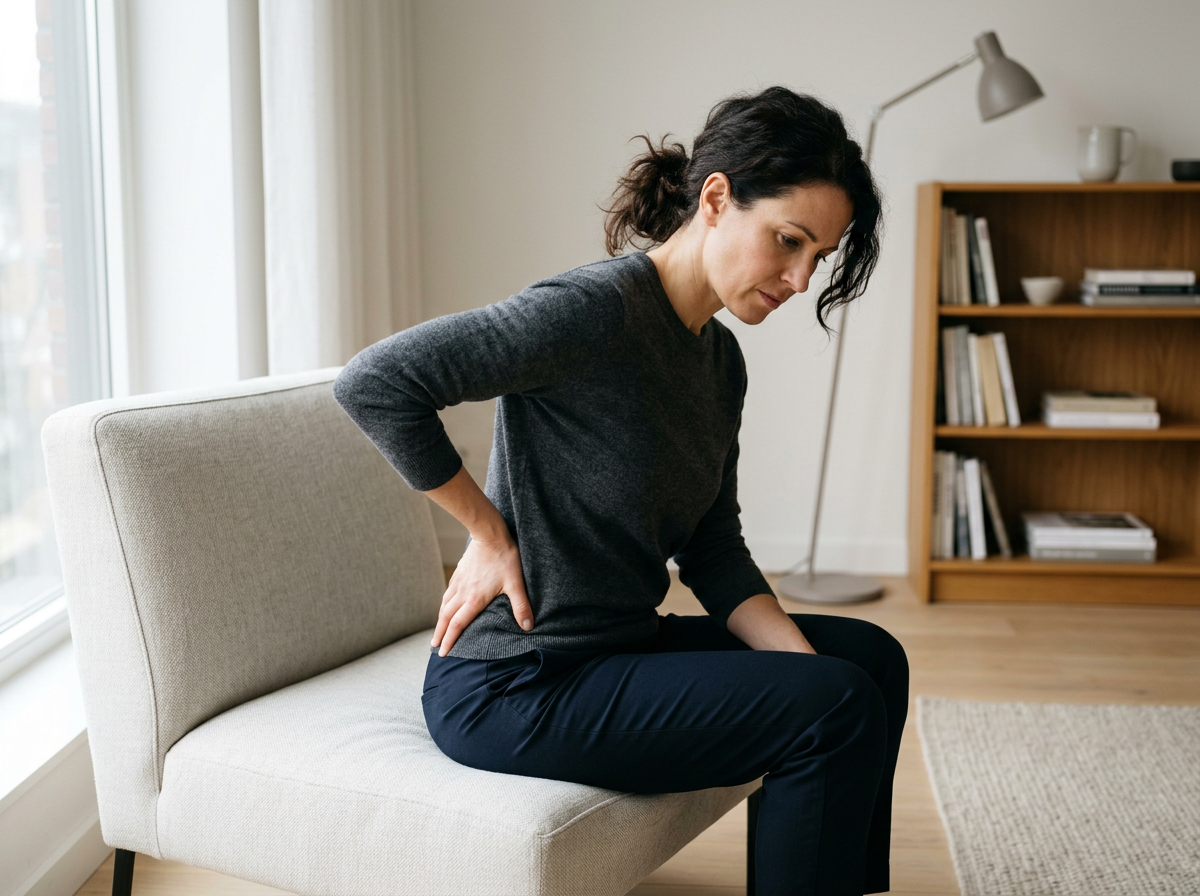
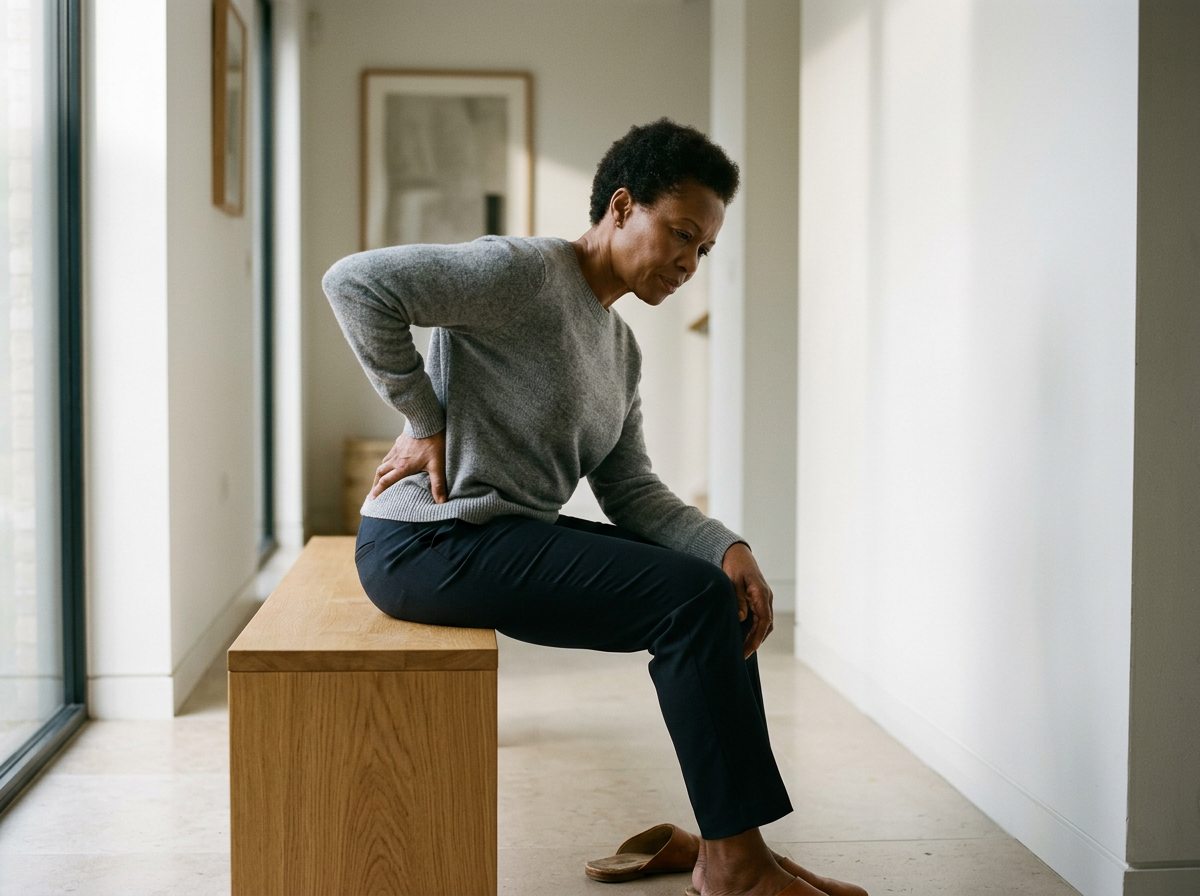
Pain that travels from the lower back into the buttock, thigh, calf, or foot may be related to irritation or compression of a nerve in the lumbar spine.
This condition is commonly called lumbar radiculopathy. Many patients also use the term sciatica, particularly when symptoms involve the sciatic nerve distribution.
At ProSpine Rehab & Wellness in Vancouver, we assess the possible source of your symptoms and develop an individualized treatment and rehabilitation plan based on your examination, neurological findings, activity level, and goals.
Treatment may include chiropractic care, spinal decompression, mobility work, and active rehabilitation with our on-site kinesiologist when appropriate.
BOOK A LUMBAR RADICULOPATHY ASSESSMENT
What Is Lumbar Radiculopathy?
Lumbar radiculopathy occurs when a nerve root in the lower spine becomes irritated or compressed.
The lumbar nerves leave the spine and travel into the pelvis and legs. When one of these nerves is affected, symptoms can sometimes be felt far away from the lower back itself.
Depending on the nerve involved, symptoms may travel into the:
Buttock • Thigh • Calf • Ankle • Foot • Toes
Some patients have significant leg symptoms with only mild low-back discomfort.
Common Symptoms
Lumbar radiculopathy can feel different from person to person.
Common symptoms may include:
Low back pain
Pain travelling into the buttock or leg
Burning or electric-like leg pain
Tingling or “pins and needles”
Numbness
Leg or foot weakness
Pain aggravated by sitting
Pain with bending or lifting
Difficulty standing or walking comfortably
Symptoms aggravated by coughing or sneezing
Reduced ability to exercise or work normally
The location of your symptoms can provide clues about which nerve may be involved.
Lumbar Radiculopathy vs. Sciatica
These terms are often used interchangeably, but they are not exactly the same.
Lumbar Radiculopathy
Lumbar radiculopathy refers to symptoms caused by irritation or dysfunction of a specific lumbar or sacral nerve root.
Sciatica
Sciatica is a broader term commonly used for pain travelling along the pathway of the sciatic nerve, usually from the buttock into the back or side of the leg.
Not all leg pain is true sciatica, and not every case of lumbar radiculopathy follows the same pattern.
That is why assessment is important before deciding on treatment.
What Causes Lumbar Radiculopathy?
Several conditions can irritate a lumbar nerve root.
Disc Herniation or Disc Bulge
The discs between the spinal bones act as cushions.
If disc material bulges or herniates, it may irritate a nearby nerve root.
Disc-related radiculopathy is particularly common in younger and middle-aged adults.
Degenerative Changes
As the spine changes with age, joints and discs may lose height or develop arthritic changes.
In some patients, this may reduce the space available around a nerve.
Foraminal Narrowing
The openings through which nerves leave the spine are called neural foramina.
If these openings become narrowed, a nerve may become irritated.
Spinal Stenosis
Lumbar spinal stenosis involves narrowing around the spinal canal or nerve pathways.
Some patients notice leg symptoms particularly during prolonged standing or walking.
Injury or Inflammation
Trauma, repetitive loading, or inflammation around spinal structures may also irritate nearby nerves.
Which Nerve Is Involved?
The pattern of symptoms can sometimes help identify which nerve root may be irritated.
For example:
L4
Symptoms may involve the front of the thigh or knee and may be associated with changes in quadriceps strength.
L5
Symptoms may travel along the outer leg toward the top of the foot or big toe.
Some patients experience difficulty lifting the foot or big toe.
S1
Symptoms may travel through the buttock and back of the leg toward the outside or bottom of the foot.
Calf strength or ankle reflexes may sometimes be affected.
These patterns are not identical in every patient, which is why neurological testing is useful.
How We Assess Lumbar Radiculopathy
Your first appointment involves more than simply checking where it hurts.
We want to determine whether your symptoms appear to originate from the lumbar spine and whether there are signs of nerve involvement.
Your assessment may include:
Spinal range of motion
Strength testing
Reflex testing
Sensation testing
Nerve tension tests
Hip and lower-extremity assessment
Orthopedic testing
Functional movement
We will also ask about when your symptoms started, what makes them better or worse, previous injuries, your occupation, exercise, and whether you have experienced numbness or weakness.
Do I Need an X-Ray or MRI?
Not every patient with lumbar radiculopathy automatically requires imaging.
Your history and neurological examination help determine whether imaging is appropriate.
At ProSpine Rehab & Wellness, we have access to in-house digital X-ray imaging when clinically indicated.
X-rays are useful for evaluating certain structural and bony findings, but they do not directly show spinal discs or nerve roots.
An MRI may sometimes be recommended when more detailed information about discs, nerves, or other soft tissues is required.
How Can Chiropractic Care Help?
For selected patients, chiropractic care may be one component of conservative management.
Treatment may focus on improving comfortable spinal movement, reducing mechanical restrictions, and helping you gradually return to normal activity.
Your treatment may include:
Chiropractic Adjustments or Mobilization
When appropriate, manual treatment may be used to improve movement in restricted spinal or pelvic joints.
Gentle Treatment Options
If your symptoms are highly irritated, lower-force mobilization or positioning may initially be more appropriate than stronger manual techniques.
Soft-Tissue Techniques
Muscles around the lower back, hips, and pelvis may become tense or guarded when nerve symptoms are present.
Mobility Work
Specific movements may be selected depending on which positions improve or aggravate your symptoms.
Treatment is modified according to how you respond.
Spinal Decompression & Lumbar Radiculopathy
For selected patients, we may consider mechanical spinal decompression or traction as part of a broader treatment plan.
At ProSpine, we use the Chattanooga Triton DTS® system and Triton 6E traction table.
The system allows controlled lumbar traction to be individualized according to your position, tolerance, symptoms, and clinical findings.
Spinal decompression is not appropriate for every patient with leg pain, and we do not automatically recommend it simply because an MRI shows a disc bulge.
Your examination helps determine whether mechanical traction may be appropriate for your presentation.
[LEARN MORE ABOUT SPINAL DECOMPRESSION]
Active Rehabilitation With Our Kinesiologist
Reducing symptoms is only part of recovery.
As your condition improves, strengthening and movement-based rehabilitation may help you regain confidence and function.
Our on-site kinesiologist may work with you on:
Core strength
Hip and glute strength
Spinal mobility
Movement control
Gradual loading
Lifting mechanics
Return to exercise
Return to work or sport
This allows your chiropractic and rehabilitation care to be coordinated within the same clinic.
Our goal is to move you from:
Pain relief → improved movement → strengthening → return to normal activity
Should I Rest?
Complete bed rest is rarely the long-term solution for uncomplicated radicular pain.
However, highly irritated symptoms may temporarily require modification of certain activities.
Your clinician can help you determine which movements are reasonable to continue and which activities may need to be reduced temporarily.
As symptoms improve, we generally want patients to gradually return to appropriate movement and activity.
When Lumbar Radiculopathy Requires Urgent Medical Attention
Most cases can be managed conservatively, but certain neurological symptoms require urgent assessment.
Seek urgent medical attention if you experience:
New loss of bowel or bladder control
Numbness around the groin, inner thighs, or “saddle” region
Rapidly worsening leg weakness
Severe weakness affecting walking
Significant trauma
Fever with severe back pain
Severe symptoms associated with serious illness
These symptoms may indicate a more significant neurological or medical condition.
If your examination at ProSpine identifies findings that require medical investigation, we will recommend appropriate follow-up.
Can Lumbar Radiculopathy Get Better Without Surgery?
Many patients with lumbar radiculopathy are initially managed with conservative care rather than surgery.
Recovery depends on factors such as:
Cause • Severity • Duration • Neurological findings • Activity level • Overall health
Some patients improve relatively quickly, while nerve-related symptoms may take longer than simple muscular back pain.
Persistent numbness, weakness, or worsening neurological symptoms should be monitored carefully.
Surgical consultation may be appropriate in selected cases, particularly when there is significant or progressive neurological impairment or when conservative care has not been successful.
What to Expect at ProSpine
1. Consultation
We begin by discussing your symptoms and medical history.
2. Neurological & Musculoskeletal Assessment
We evaluate strength, sensation, reflexes, mobility, and relevant nerve tests.
3. Explanation
We explain what we believe may be contributing to your symptoms and whether additional imaging or referral is needed.
4. Personalized Treatment
Your treatment may involve chiropractic care, decompression, mobility work, or other appropriate conservative care.
5. Active Rehabilitation
When appropriate, our kinesiologist can help progressively rebuild strength and function.
6. Reassessment
Your progress is monitored and your treatment plan is adjusted according to your response.
Get to the Source of Your Leg Pain
If you are experiencing low-back pain with pain, tingling, numbness, or weakness travelling into your leg, a proper assessment can help determine whether lumbar radiculopathy may be involved.
At ProSpine Rehab & Wellness, we combine chiropractic assessment, spinal decompression when appropriate, and active rehabilitation to help you understand your condition and work toward better function.
ProSpine Rehab & Wellness
Vancouver, BC
778-805-8188
info@prospinevan.ca