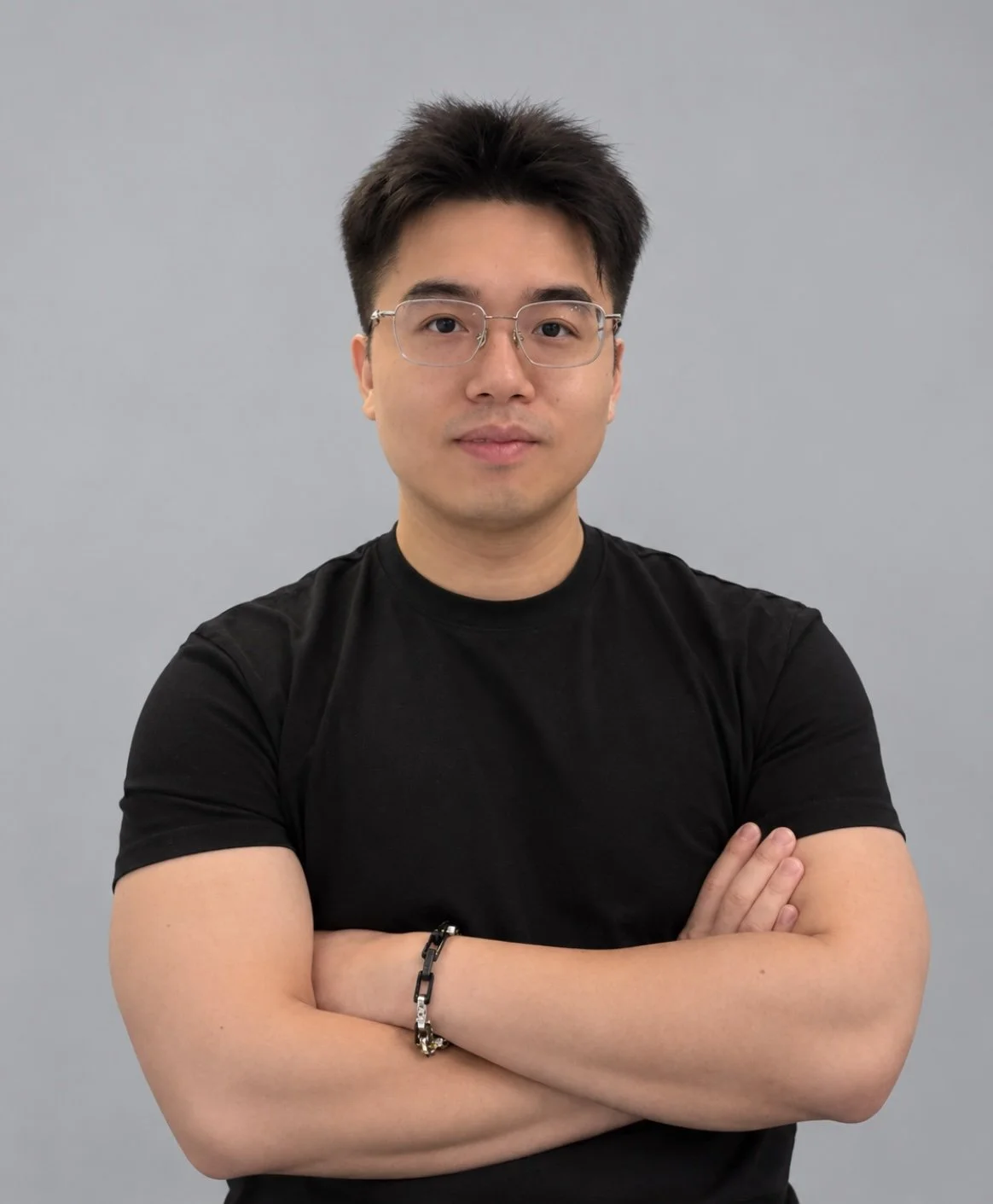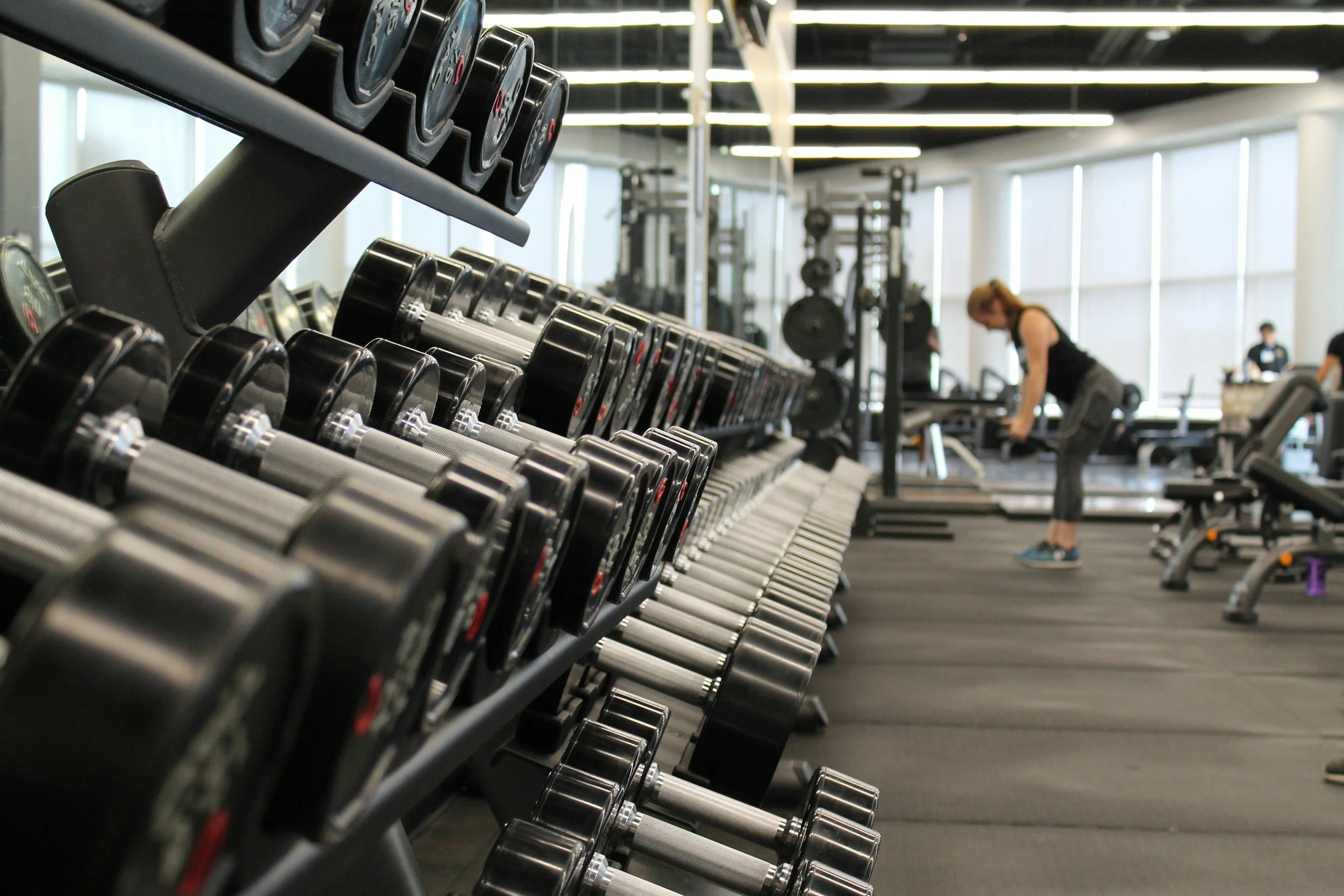
Active Rehabilitation With Our Kinesiologist
Build Strength. Restore Movement. Return to the Activities You Enjoy.

Pain relief is only one part of recovery.
After an injury, prolonged pain, or time away from activity, many patients also need to rebuild strength, mobility, balance, endurance, and confidence with movement.
At ProSpine Rehab & Wellness in Vancouver, our on-site kinesiologist provides individualized active rehabilitation programs designed around your condition, current abilities, and goals.
Active rehabilitation may be used alongside chiropractic care or as a stand-alone exercise-based program depending on your needs.
BOOK AN ACTIVE REHABILITATION ASSESSMENT
What Is Active Rehabilitation?
Active rehabilitation is an exercise-based approach to recovery.
Rather than relying only on passive treatments, active rehabilitation helps you progressively restore your ability to move, work, exercise, and participate in everyday activities.
Your program may focus on:
Strength • Mobility • Balance • Stability • Coordination • Endurance • Functional movement
Exercises are selected based on your assessment and progressed as your abilities improve.
The goal is not simply to complete a standard workout.
It is to help you regain the specific physical abilities you need for your life, work, or sport.
What Does a Kinesiologist Do?
A kinesiologist specializes in human movement and exercise.
At ProSpine, our kinesiologist works with patients to identify movement limitations and develop an individualized rehabilitation program.
Your sessions may include:
Mobility exercises
Strengthening
Core stability
Balance training
Functional movement
Posture and movement education
Exercise progression
Return-to-work exercises
Return-to-sport rehabilitation
As you improve, exercises can become progressively more challenging and more closely related to your everyday activities.
Who Can Benefit From Active Rehabilitation?
Active rehabilitation may be appropriate for patients recovering from:
Low Back Pain
Exercise may focus on core control, hip strength, spinal mobility, and gradually increasing tolerance for lifting and everyday activity.
Neck & Upper Back Pain
Programs may address shoulder stability, postural endurance, neck and thoracic mobility, and upper-body strength.
Sciatica & Lumbar Radiculopathy
Once appropriate, rehabilitation may focus on gradually restoring movement, strength, and confidence while monitoring nerve-related symptoms.
Sacroiliac Joint & Pelvic Pain
Exercises may target hip stability, glute strength, balance, and pelvic control.
Sports Injuries
Rehabilitation can help bridge the gap between feeling better and being ready to return to training.
Motor Vehicle Accident Injuries
Active rehabilitation is often an important part of recovery following an ICBC-related injury.
Deconditioning
Patients who have reduced activity because of pain, illness, or injury may benefit from a gradual and supervised return to movement.
Chiropractic + Kinesiology Under One Roof
One of the advantages of receiving care at ProSpine Rehab & Wellness is that chiropractic and active rehabilitation can be coordinated within the same clinic.
For some patients, chiropractic care may initially focus on:
Pain • Joint mobility • Muscle tension • Comfortable movement
Our kinesiologist can then work on:
Strength • Stability • Balance • Movement control • Functional capacity
This creates a natural progression:
Reduce irritation → Restore movement → Build strength → Return to activity
The chiropractor and kinesiologist can coordinate your care so your rehabilitation program reflects your condition and current stage of recovery.
Active Rehabilitation After a Car Accident
Motor vehicle accidents can affect more than just pain levels.
After an accident, some patients also experience:
Reduced strength
Limited mobility
Difficulty sitting or driving
Reduced exercise tolerance
Fear of certain movements
Difficulty returning to work
Reduced confidence with physical activity
Active rehabilitation can help gradually rebuild these abilities.
For eligible ICBC patients, kinesiology may also be part of an approved recovery plan.
[LEARN MORE ABOUT ICBC INJURY CARE]
Sports Rehabilitation
Sports injuries often require more than simply waiting until the pain disappears.
Before returning to a sport, you may need to restore:
Strength • Balance • Mobility • Stability • Coordination • Sport-specific capacity
Our kinesiologist can progressively tailor exercises to your activity.
For example:
Golf
Rehabilitation may focus on hip mobility, rotational control, core strength, and lower-body stability.
Taekwondo & Martial Arts
Exercises may address hip mobility, balance, single-leg control, core strength, and lower-extremity stability.
Figure Skating
Programs may emphasize balance, hip and ankle control, core stability, and lower-body strength.
Running
Rehabilitation may include hip and leg strength, balance, mobility, and gradual return to running volume.
Gym & Strength Training
We can help progressively rebuild tolerance for movements such as squatting, hinging, pressing, pulling, and lifting.
[LEARN MORE ABOUT SPORTS CHIROPRACTIC]
Active Rehabilitation for Children & Teen Athletes
Children and teenagers involved in organized sports may sometimes need rehabilitation after an injury or when recurring discomfort is affecting participation.
Programs are adapted according to:
Age • Stage of development • Sport • Injury • Current ability • Goals
For young athletes, sessions may focus on:
Balance
Coordination
Mobility
Strength
Movement control
Safe return to sport
The goal is not to turn rehabilitation into an adult gym program.
Exercises should be appropriate for the child's age and physical development.
Posture & Movement Rehabilitation
Patients often ask whether exercise can help with posture.
There is rarely one perfect posture that everyone must maintain.
Instead, our rehabilitation approach may focus on helping you develop enough mobility, strength, and endurance to comfortably tolerate different positions throughout the day.
For people who spend long periods at a desk or computer, this may include:
Upper-back mobility • Shoulder strength • Core endurance • Hip mobility • Regular movement breaks
The goal is to make your body more capable rather than forcing you to hold one rigid position.
What Happens During Your First Kinesiology Appointment?
1. Consultation
We discuss your symptoms, injury history, current activity level, work demands, and goals.
For example, your goal may be to:
Return to work • Play golf • Run again • Lift weights • Walk without discomfort • Return to martial arts
2. Movement Assessment
Your kinesiologist may assess:
Mobility
Strength
Balance
Coordination
Functional movement
Exercise tolerance
The assessment is tailored to your condition.
3. Personalized Exercise Plan
Exercises are chosen based on what you need to improve.
Your program may begin with simple movements and gradually become more demanding.
4. Supervised Rehabilitation
Your kinesiologist teaches you proper technique and monitors how your body responds.
5. Progression
Exercises are adjusted as your strength, control, and confidence improve.
What Does a Rehabilitation Session Look Like?
A session may include a combination of:
Mobility
Movements designed to improve comfortable range of motion.
Strength Training
Exercises targeting areas that may benefit from improved strength or endurance.
Core & Stability Work
Exercises may focus on controlling movement through the trunk, hips, or shoulders.
Balance & Coordination
Especially useful for athletes, older adults, or patients recovering from lower-extremity injuries.
Functional Exercise
Exercises may replicate movements you need for work, sport, or everyday life.
The specific program is determined by your individual needs.
Do I Need to Be Fit to Start?
No.
Active rehabilitation is designed to begin at your current level.
You do not need gym experience or a certain level of fitness before starting.
For someone recovering from an injury, the first exercises may be very simple.
As you improve, the program can gradually become more challenging.
How Often Will I Need Rehabilitation?
There is no single schedule that is right for everyone.
Frequency may depend on:
Your condition • Severity • Goals • Current ability • Progress • Other treatment
Your kinesiologist will recommend an appropriate plan and modify it as you improve.
The goal is to help you become increasingly independent rather than dependent on supervised sessions indefinitely.
Home Exercises
Your progress does not only happen inside the clinic.
When appropriate, you may be given exercises to complete at home between appointments.
A home program can help reinforce what you are working on during supervised sessions.
The program should be realistic enough to fit into your daily routine.
Active Rehabilitation After Spinal Decompression
For selected patients receiving spinal decompression, rehabilitation can be an important part of the overall plan.
Decompression may be used to manage certain spinal or nerve-related symptoms, while active rehabilitation focuses on restoring strength and movement capacity.
This allows treatment to progress from passive care toward more active recovery.
[LEARN MORE ABOUT SPINAL DECOMPRESSION]
Our Goal: Independence
The ultimate goal of rehabilitation is not to keep you coming to the clinic forever.
We want you to develop the strength, movement skills, and confidence to manage your body and return to the activities that matter to you.
That may mean returning to:
Work • Parenting • Golf • Running • Gym training • Martial arts • Skating • Everyday life
Your rehabilitation plan should move you progressively toward those goals.
Start Moving Forward
If pain, injury, or reduced strength is limiting what you can do, active rehabilitation can help you take the next step toward recovery.
At ProSpine Rehab & Wellness, our chiropractor and on-site kinesiologist can work together to provide coordinated care focused on both symptom management and long-term function.
ProSpine Rehab & Wellness
Vancouver, BC
778-805-8188
info@prospinevan.ca
BOOK AN ACTIVE REHABILITATION ASSESSMENT