Custom Orthotics
Personalized Foot Support for Comfort, Alignment & Everyday Movement
Your feet form the foundation for how you stand, walk, work, and move.
When foot mechanics are not working efficiently, the effects may be felt not only in the feet, but sometimes through the ankles, knees, hips, and lower back.
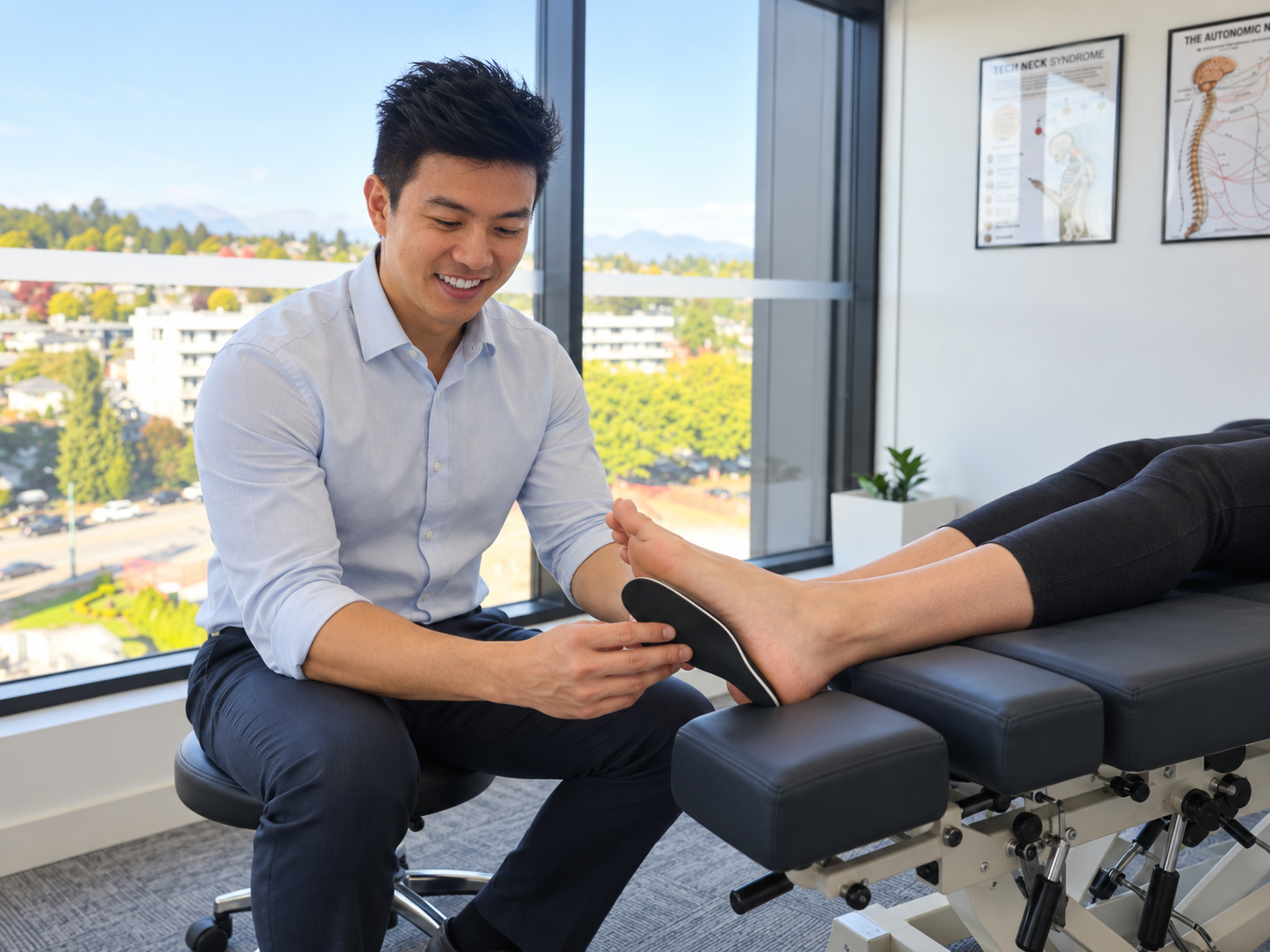
At ProSpine Rehab & Wellness in Vancouver, we provide custom orthotic assessment for patients who may benefit from individualized foot support.
Our goal is not simply to “correct” the feet, but to understand how your feet, gait, footwear, activity level, and lower-body mechanics work together.
BOOK A CUSTOM ORTHOTICS ASSESSMENT
What Are Custom Orthotics?
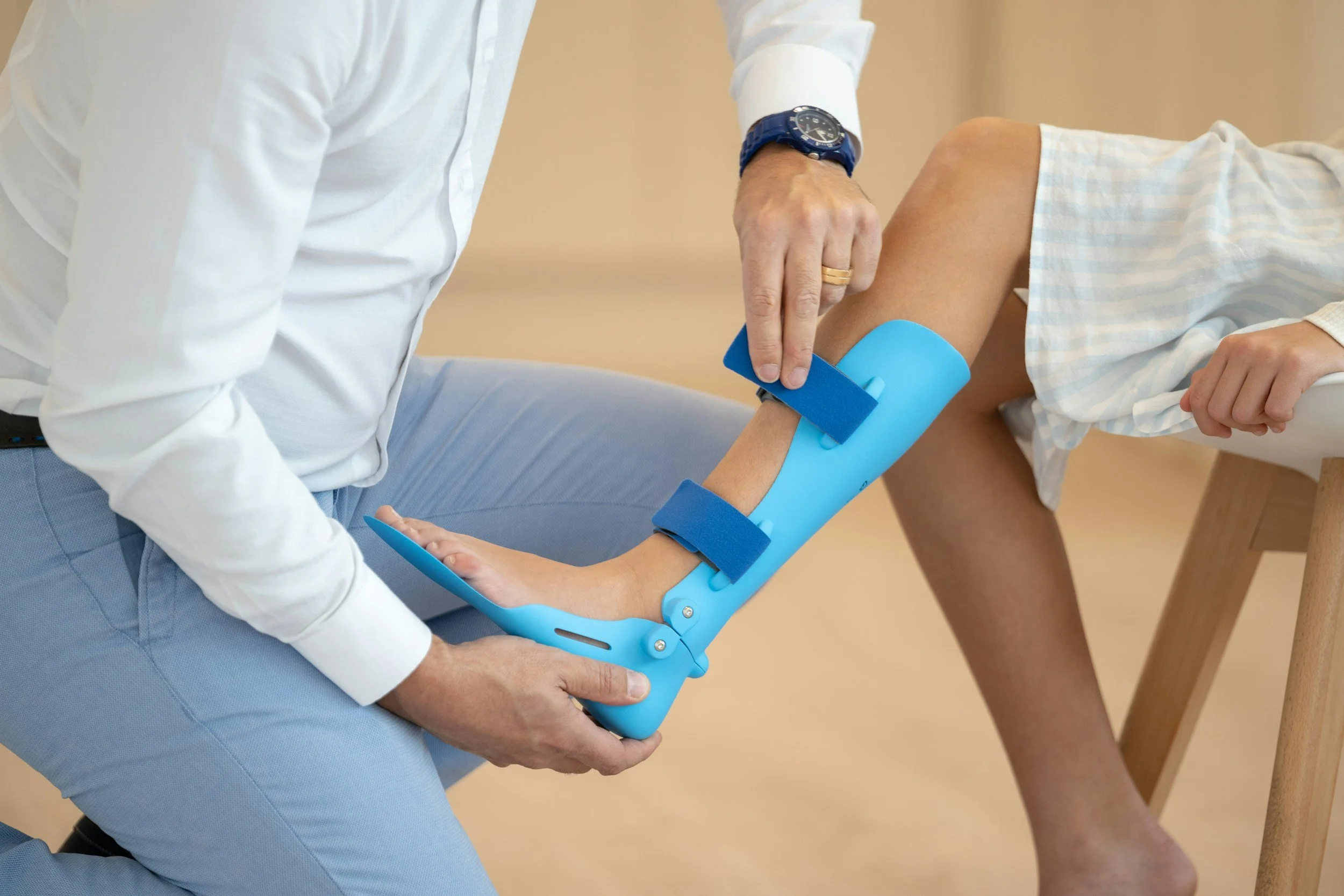
Custom orthotics are specially designed inserts made to support the way your feet function.
Unlike generic over-the-counter insoles, custom orthotics are created based on an individualized assessment of factors such as:
Foot posture
Arch structure
Gait
Pressure distribution
Joint mobility
Lower-limb alignment
Activity demands
Footwear
They may be recommended for everyday walking, work, exercise, sports, or specific foot and lower-limb concerns.
Who May Benefit From Custom Orthotics?
Custom orthotics may be considered for patients with concerns such as:
Foot pain
Heel pain
Plantar heel pain
Flat feet
High arches
Arch discomfort
Ankle instability
Recurrent foot fatigue
Knee discomfort related to lower-limb mechanics
Hip discomfort
Certain gait abnormalities
Uneven shoe wear
Difficulty standing for long periods
Sports-related foot or lower-limb stress
Orthotics are not necessary for everyone, which is why an assessment comes first.
Foot Pain & Heel Pain
Foot pain can develop for many reasons.
Common contributing factors may include:
Repetitive loading
Footwear
Prolonged standing
Changes in activity
Reduced foot or ankle mobility
Training load
Arch structure
Previous injuries
Heel pain is especially common and may be associated with conditions such as plantar heel pain, sometimes referred to as plantar fasciitis.
Orthotics may be one part of a broader treatment plan that can also include footwear changes, mobility work, strengthening, and activity modification.
Flat Feet
Flat feet are common and do not automatically mean there is a problem.
Some people with flat feet have no symptoms at all.
Others may experience:
Foot fatigue
Arch discomfort
Heel pain
Ankle discomfort
Difficulty standing for long periods
Symptoms during running or sports
The decision to recommend orthotics should be based on symptoms and function, not simply the appearance of the arch.
High Arches
People with higher arches may place pressure differently through the foot.
Some may experience:
Forefoot discomfort
Heel discomfort
Reduced shock absorption
Callus formation
Foot fatigue
Custom orthotics may sometimes be used to improve pressure distribution and provide additional support or cushioning.
Can Foot Mechanics Affect the Knees, Hips or Back?
The foot is part of a connected movement system.
Changes in foot and ankle mechanics can influence how the lower limb moves during walking, running, and standing.
However, not every case of knee, hip, or back pain is caused by the feet.
At ProSpine, we avoid assuming that every problem starts at the foot.
Instead, we assess the entire movement pattern when appropriate, including:
Feet • Ankles • Knees • Hips • Pelvis • Lower back
This helps determine whether foot support is likely to play a meaningful role in your treatment plan.
Custom Orthotics vs. Store-Bought Insoles
Over-the-counter insoles may be helpful for some people, especially when the main goal is general cushioning or comfort.
Custom orthotics are different because they are designed around your individual assessment.
A custom device may be more appropriate when there are:
Persistent symptoms
Significant foot mechanics concerns
Recurrent problems
Specific footwear needs
Sports demands
Work-related standing or walking demands
The best option depends on the patient.
What Happens During an Orthotic Assessment?
Your orthotic assessment may include:
1. Health & Symptom History
We discuss your symptoms, footwear, work, exercise, and activity level.
2. Foot & Ankle Assessment
We assess foot posture, arch structure, ankle mobility, and relevant joint function.
3. Gait & Movement Assessment
We observe how you stand, walk, and move.
4. Lower-Limb Assessment
When appropriate, we may also look at knee, hip, and pelvic mechanics.
5. Footwear Review
We may discuss whether your current shoes are suitable for work, exercise, or daily use.
6. Orthotic Recommendation
If custom orthotics appear appropriate, we discuss the type of device that may best suit your needs.
Orthotics for Work
Patients who spend long hours standing or walking may experience foot fatigue and lower-limb discomfort.
This may include people working in:
Healthcare
Retail
Construction
Hospitality
Warehousing
Teaching
Manufacturing
Trades
Orthotics may help improve comfort for selected patients who spend many hours on their feet.
Footwear selection remains important as well.
Orthotics for Sports
Athletes place higher repetitive loads through the feet and lower limbs.
Custom orthotics may be considered for sports such as:
Running • Golf • Hockey • Soccer • Basketball • Tennis • Figure skating • Martial arts
A sports-focused assessment may look at:
Foot stability
Ankle mobility
Running or movement mechanics
Training load
Footwear
Previous injuries
Lower-limb strength
The goal is to support movement without unnecessarily restricting natural foot function.
Orthotics for Golf
Golf involves repeated walking, weight shifting, and rotation through the lower body.
For golfers with foot discomfort or certain lower-limb mechanics concerns, orthotics may help provide a more comfortable and stable base.
They may be considered alongside:
Hip mobility • Balance • Lower-body strength • Core control
Orthotics for Children & Teenagers
Not every child with flat feet needs orthotics.
Children’s feet naturally change as they grow.
Orthotics may be considered when a child has:
Persistent foot pain
Significant fatigue
Recurrent lower-limb symptoms
Difficulty participating in activities
Specific concerns identified during assessment
For children and teenagers, treatment decisions should consider growth, symptoms, function, and activity level rather than appearance alone.
Can Orthotics Help With Plantar Fasciitis?
Orthotics may help some patients with plantar heel pain by modifying pressure and providing support.
However, orthotics are often most effective as part of a broader plan that may include:
Calf mobility
Foot strengthening
Activity modification
Appropriate footwear
Progressive loading
Weight-management considerations when relevant
We do not rely on orthotics alone when other factors are contributing.
How Long Do Custom Orthotics Last?
The lifespan of orthotics varies depending on:
Frequency of use
Body weight
Activity level
Type of footwear
Materials
Work demands
Sports use
Some patients use the same pair for several years, while others may need refurbishment or replacement sooner.
The device should be reassessed if it becomes worn, uncomfortable, or no longer seems effective.
Do I Need a Prescription?
This depends on your insurance provider.
Some extended health benefit plans require a prescription from a physician or other authorized healthcare provider before custom orthotics are covered.
Insurance requirements vary, so we recommend checking your individual plan before ordering.
Are Custom Orthotics Covered by Insurance?
Many extended health plans provide some coverage for custom orthotics, but coverage varies significantly.
Your insurer may require:
A prescription
A biomechanical assessment
A detailed invoice
Specific documentation
A particular provider type
A minimum replacement interval
It is your responsibility to confirm the exact requirements of your plan.
Our clinic can provide the appropriate documentation available from the orthotic assessment.
Do Orthotics Need to Be Worn All Day?
Not always.
When first receiving new orthotics, some patients benefit from a gradual break-in period.
This allows the feet and lower limbs to adapt.
Depending on your needs, orthotics may be used:
During work
For walking
During exercise
In sports footwear
For specific activities
We can provide guidance based on your device and symptoms.
Orthotics Work Best as Part of a Bigger Plan
Orthotics can provide useful support, but they are not necessarily a complete solution by themselves.
Depending on your condition, treatment may also include:
Foot strengthening
Calf mobility
Hip strengthening
Balance work
Gait retraining
Footwear changes
Active rehabilitation
At ProSpine, our on-site kinesiologist can help address these factors when appropriate.
What to Expect at ProSpine
1. Consultation
We discuss your symptoms, footwear, work, sports, and goals.
2. Foot & Lower-Limb Assessment
We assess relevant foot, ankle, knee, hip, and movement findings.
3. Gait Evaluation
We observe how your feet and lower limbs move during walking and functional activity.
4. Recommendation
If custom orthotics are appropriate, we discuss the type of support that may suit your needs.
5. Fitting & Follow-Up
Once your orthotics are ready, we review fit, comfort, and use instructions.
6. Rehabilitation When Needed
Exercises may be recommended to improve strength, mobility, and movement alongside orthotic use.
Build a Better Foundation for Movement
If foot pain, heel pain, lower-limb discomfort, or prolonged standing is affecting your daily life, a custom orthotic assessment may help determine whether individualized foot support is appropriate.
At ProSpine Rehab & Wellness, we look beyond the feet alone and consider how your entire lower body moves.
ProSpine Rehab & Wellness
Vancouver, BC
778-805-8188
info@prospinevan.ca
BOOK A CUSTOM ORTHOTICS ASSESSMENT